UNICEF's impact depends on what people do.

Colectiv helped UNICEF country office teams rapidly surface the behavioural barriers and drivers shaping delivery across Afghanistan, Türkiye and Tanzania.

Humanitarian teams need to understand what is happening on the ground while programmes are live. Traditional MEL often struggles to identify:

Colectiv supported UNICEF to explore behavioural barriers and drivers rapidly, even in challenging contexts.

Colectiv used different methods in different settings:

The result was faster insight into where delivery was breaking down, what people were experiencing, and what could be improved.
UNICEF Türkiye

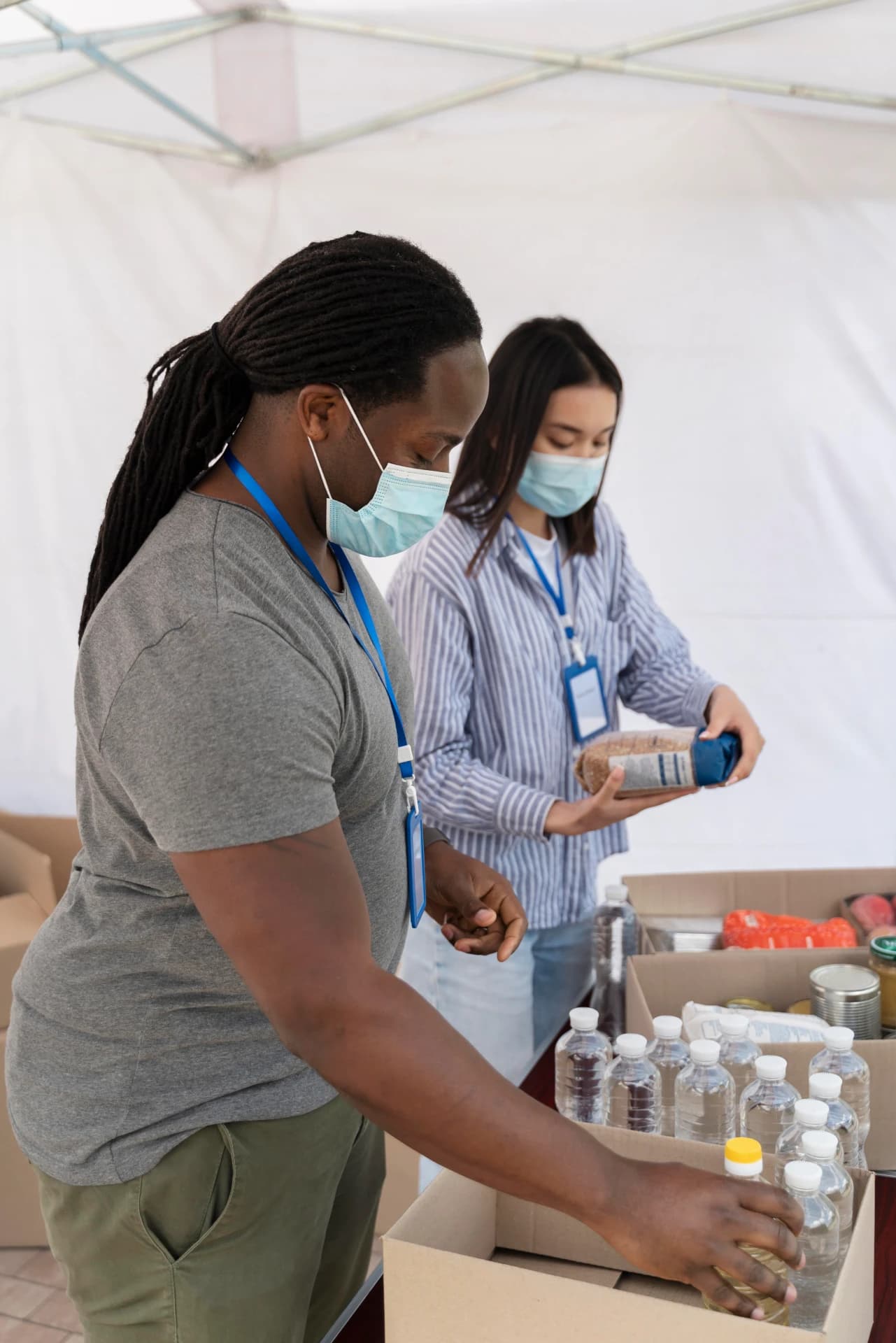
After the 2023 earthquakes in Türkiye, UNICEF distributed hygiene kits to affected communities, including Syrian refugees.
Colectiv ran AI-assisted interviews with 152 frontline humanitarian workers in Turkish and Arabic.
The interviews showed that kits were valued and reached large numbers of people, but also surfaced barriers affecting access: crowding, transport, weather, registration gaps and targeting challenges.
The findings showed how small frictions in delivery can shape who receives support, and pointed to practical improvements in targeting, crowd management and choice of kit items.
People living in tents in that area could not benefit from the aid because they were not there at the time of registration.
I observed that men thought they had the right to cut in front of women, trying to disrupt the line.

UNICEF Afghanistan
AI interviews in Dari with 45 frontline WASH staff surfaced the governance, maintenance and monitoring risks shaping long-term sustainability.
UNICEF Türkiye
AI interviews in Turkish and Arabic with 137 frontline and programme staff highlighted the practical barriers preventing refugee children from enrolling in school.

UNICEF Tanzania
Rapid in-person interviews clarified low public recognition, guiding sharper health messaging.
Read moreAcross the four projects, Colectiv helped UNICEF teams look beyond what had been delivered to understand how programmes were working in practice.
The findings showed that last-mile delivery is shaped by behaviours, relationships and frictions that are easy to miss: who is present at registration, who feels able to queue, who can navigate public services, who is trusted locally, and how people recognise a health risk.
Together, the projects show that delivery does not break down in the abstract. It breaks down in specific moments: when people miss registration, cannot queue safely, do not recognise a disease, cannot navigate school systems, or lack trusted local support to maintain infrastructure. These are the moments teams need to understand if programmes are to adapt and work better in practice.