May 2026
The partnership aimed to identify the behavioural, operational and institutional barriers preventing Pani Mitras and communities from:

Colectiv, CmF, IWMI and IDS therefore set out to build an adaptive learning system capable of rapidly surfacing these barriers, and testing practical improvements.
Existing monitoring tracked activities, such as training delivered and plans created, but not the behavioural and operational barriers affecting implementation.
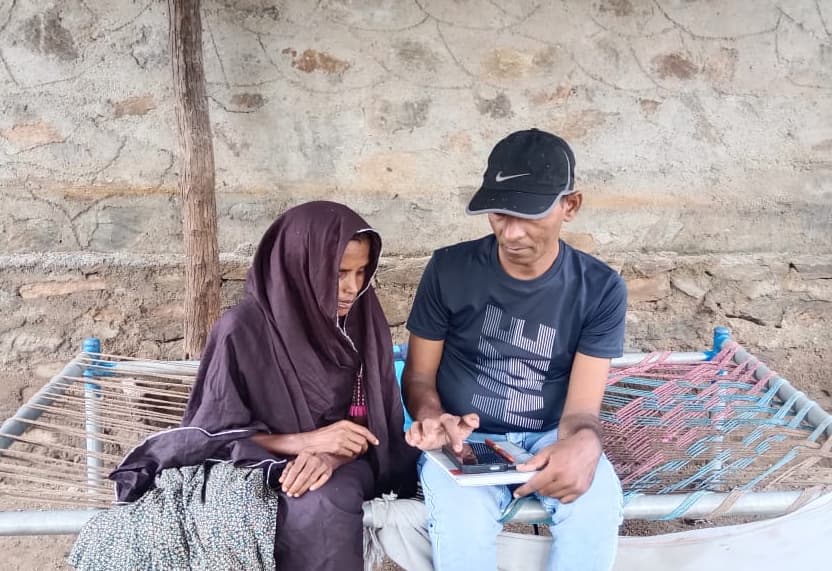
At the same time, many of the most important voices were difficult to reach through digital approaches:

Without deliberate design, these constraints would have excluded key participants from the learning system.
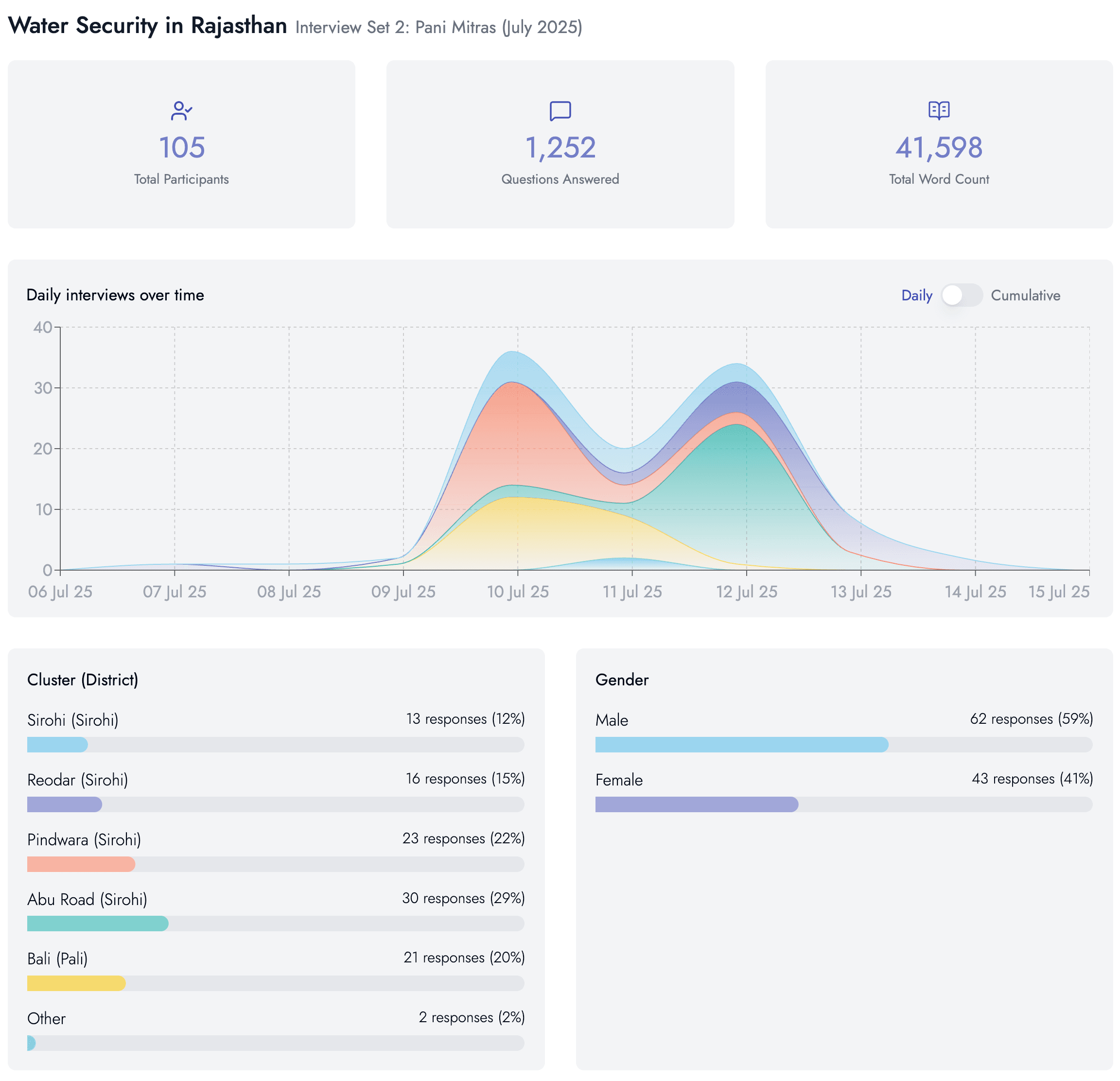
Colectiv designed an inclusive, AI-assisted qualitative learning system built around WhatsApp and supported by frontline facilitation.

Crucially, findings were not only analysed centrally. They were brought back to participants through structured “Pause and Reflect” sessions, where programme teams and Pani Mitras reviewed and discussed anonymised insights together.
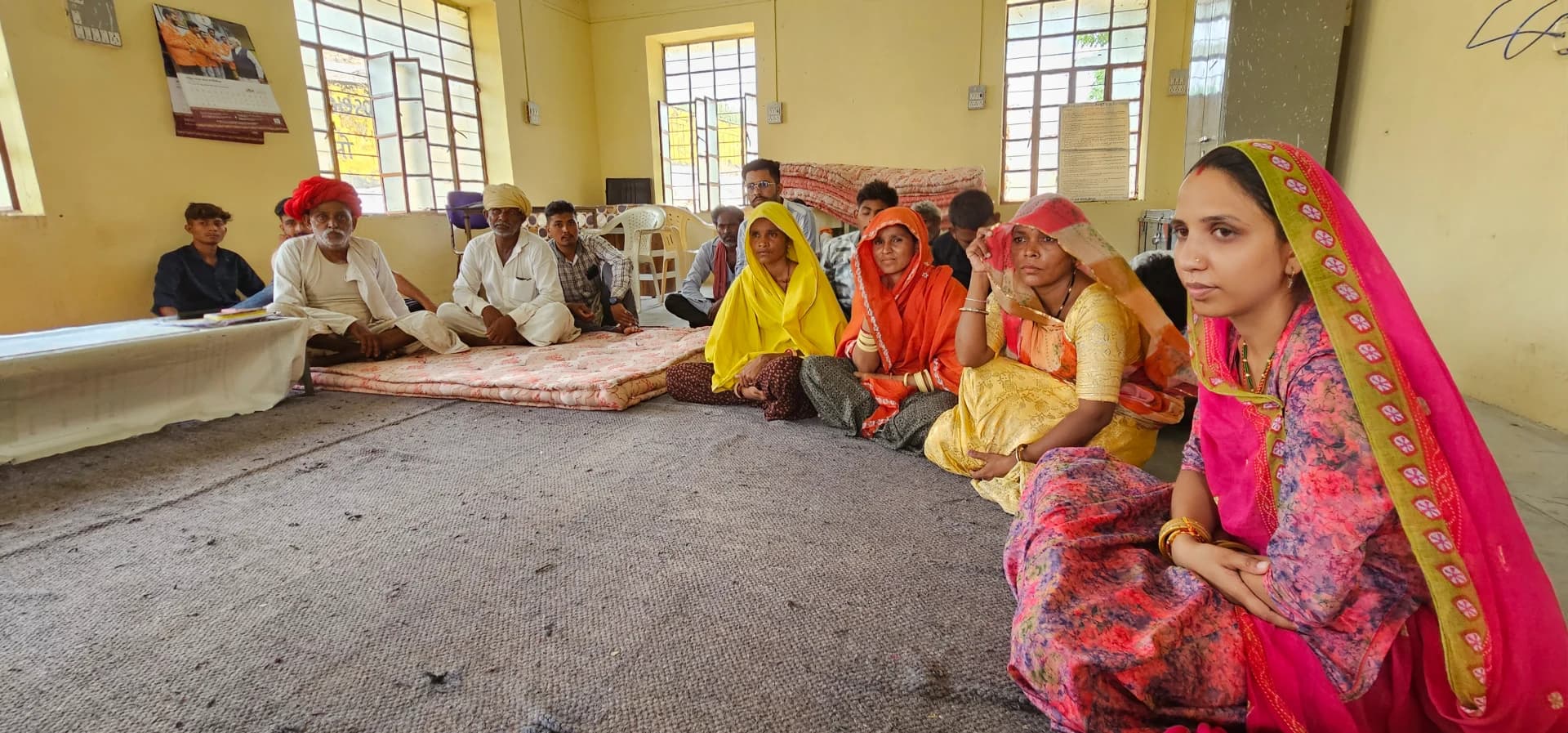
The system surfaced a critical bottleneck:
Pani Mitras were highly motivated, but many lacked the confidence and institutional fluency to navigate government schemes, approvals, and subsidy processes.
This gap limited their ability to translate community priorities into approved infrastructure and sustained action.
Because this insight was generated quickly, CmF adapted within the same programme cycle:
This shifted the model from training community champions to enabling them to work effectively within government systems.
When a person is in front of you, you feel a bit hesitant, but on your own personal mobile, there’s no hesitation, and you can answer openly.
Following the AI-interviews and programme adaptations
99% of participants rated the AI-assisted interviews as good or very good.
52% of Pani Mitras reported improved advocacy for water infrastructure.
55% of Pani Mitras reported direct collaboration with block-level government officials.
AI-assisted adaptive learning systems can help programmes systematically listen, diagnose implementation barriers, and strengthen delivery while programmes are live.
The system enabled the programme to:
For development programmes, this represents a shift from tracking activity to understanding what is working, what is not, and what to change next.
Now we are able to understand the scheme… and how to move our work forward.